
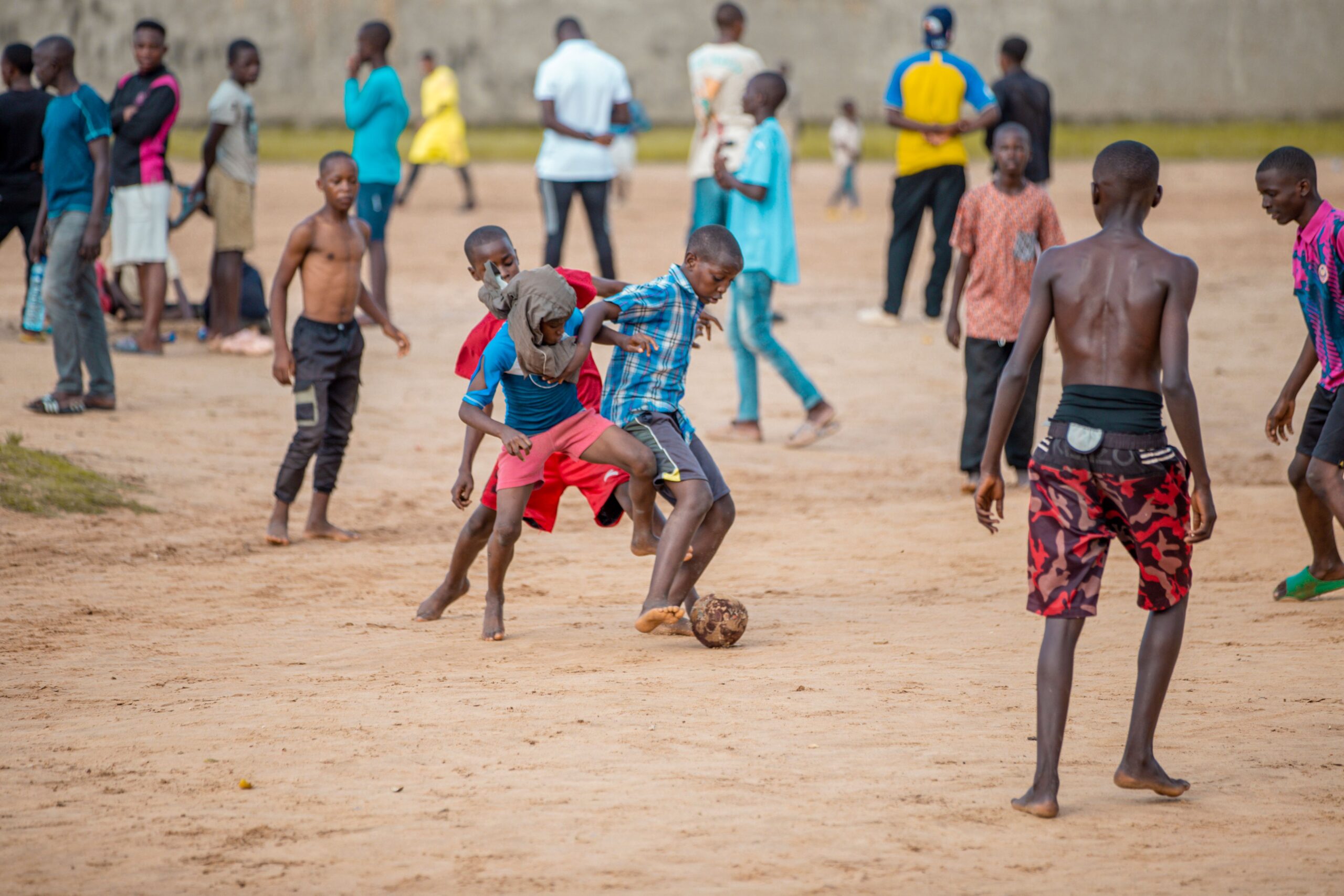
Somewhere in Nairobi right now, a child is deciding whether an empty afternoon becomes a football pitch or a doorway to trouble, and for most, there is no pitch waiting. That gap, not talent, is what this initiative closes. Sport anchors it as the best evidenced, most scalable starting point, backed by the studies below.
A 2026 systematic review across five databases, screening studies on 5 to 17 year olds, found structured team sport builds psychological wellbeing through three consistent mechanisms: how children see themselves, whether they feel they belong among peers, and the social support the team structure provides. For a child who has never once been picked first, that belonging is not a small thing.
A 2025 meta analysis pooled 46 longitudinal studies, screened from over 4,500 candidates, with sample sizes up to 50,000 and follow ups as long as 54 years. It found statistically significant positive effects on physical activity and wellbeing, and reduced mental ill being, carrying from childhood into adulthood, decades after the last whistle blew.
Reviews of sport based youth development programmes describe a deliberate shift beyond physical fitness alone, toward interventions built to reach physical, cognitive, social and lifestyle domains together, on the premise that being merely "problem free" is not the same as being fully prepared for the life ahead of them.
A meta analysis of sport based positive youth development interventions found programmes that explicitly build values and life skills instruction into coaching, not just competition, produced stronger outcomes, including closing motor skill gaps between girls and boys who came in behind, gaps that started as a lack of a field, not a lack of ability.
Activity levels, motor skill development, and lower risk of the unhealthy body composition patterns linked to inactivity.
3HealthSelf perception, reduced depressive symptoms, and a durable sense of belonging built through team structure.
3HealthDiscipline, goal setting and focus that carry over into the classroom, when a programme pairs sport with schooling rather than competing with it.
4EducationStructured, supervised time that displaces the idleness associated with risk behaviours, and a coach or mentor positioned to notice when something's wrong before it becomes irreversible.
16ProtectionA basketball court in Jericho and a music room in Komarock are solving the same problem: a child with structured hours, a caring adult, and somewhere to belong. We build for both, and everything in between.
Basketball, football, netball and athletics infrastructure built with counties and community partners, on the model of Nairobi's Jericho and Komarock courts.
11CommunityStudio and workshop space run on the same coaching plus mentorship model, for the children whose talent is not on a scoreboard.
4EducationPlatforms like Yakazi already link trained youth to employers. We build toward that same verified, portable record of what a young person can do.
8Decent WorkCoaches, teachers and elder youth from the same community, the adult presence every one of these formats depends on to actually work.
10InclusionWorking with cooperative partners including Murang'a Farmers Cooperative Union, AgriKonnekt is building education initiatives that upskill high schoolers and post-secondary students in agribusiness, using sport, nutrition and meals together as the incentive that keeps a young person coming back week after week.
Murang'a Farmers Cooperative Union is the planned home of the first hub, with further cooperatives to follow as the model proves out.
A curriculum for high schoolers and post-secondary students built around the practical, entrepreneurial side of agribusiness, not classroom theory alone.
The same incentive structure proven on the courts above, sport paired with nutrition and meals, applied here to keep students enrolled and attending.
Leading the human capital build behind the hub: the technology and data infrastructure that turns training into a verified, portable record of skill.
No single organisation covers a child's whole journey through sport. Real systemic change means these pieces working as one system instead of six separate ones that each only see a fraction of the child in front of them.
An annual, open call for projects across health, education, access to sport, personal development, minority integration and child protection, assessed by an independent Board of Trustees.
Runs a Collaborative Action Grant through the Sport for Refugees Coalition, prioritising Latin America and the Horn of Africa, Sahel and Great Lakes regions, funding joint initiatives between member organisations.
Moving for Change funds INGOs partnering with local Sport for Development organisations across Ethiopia, Kenya, Rwanda, Tanzania and Uganda, with multi year funding and a peer learning Community of Practice.
The field's shared research library and job board, surfacing open calls, peer reviewed evidence and practitioner networks across the whole sector.
Operates 42 Talent Academies worldwide, 10 already in Africa, pairing football training with academic education, aiming for 75 academies globally by 2027.
Nairobi City County's partnership with Hennessy to build FIBA standard basketball courts, and its Street League subsidy for grassroots teams, shows what county level investment can look like.
Millions of unregistered youth players across Africa may have real ability. Whether that turns into a scholarship or a scam depends entirely on the quality of the system around them, and right now, too often, there is no system at all.
Unstructured or school level play, the stage where talent is present but almost entirely undocumented, and where a scout's word is the only record that exists.
Licensed academy scouting and regional development centres, the stage where illegal agents most often intercept a hopeful teenager with false promises and a plane ticket that never comes.
Academies that pair technical training with schooling, safeguarding and life skills, following models like Right to Dream and FASI, so a bad injury does not end the whole future at once.
Documented placement into semi professional, professional, or scholarship routes, with a paper trail that protects the player, not just the club that signed him.
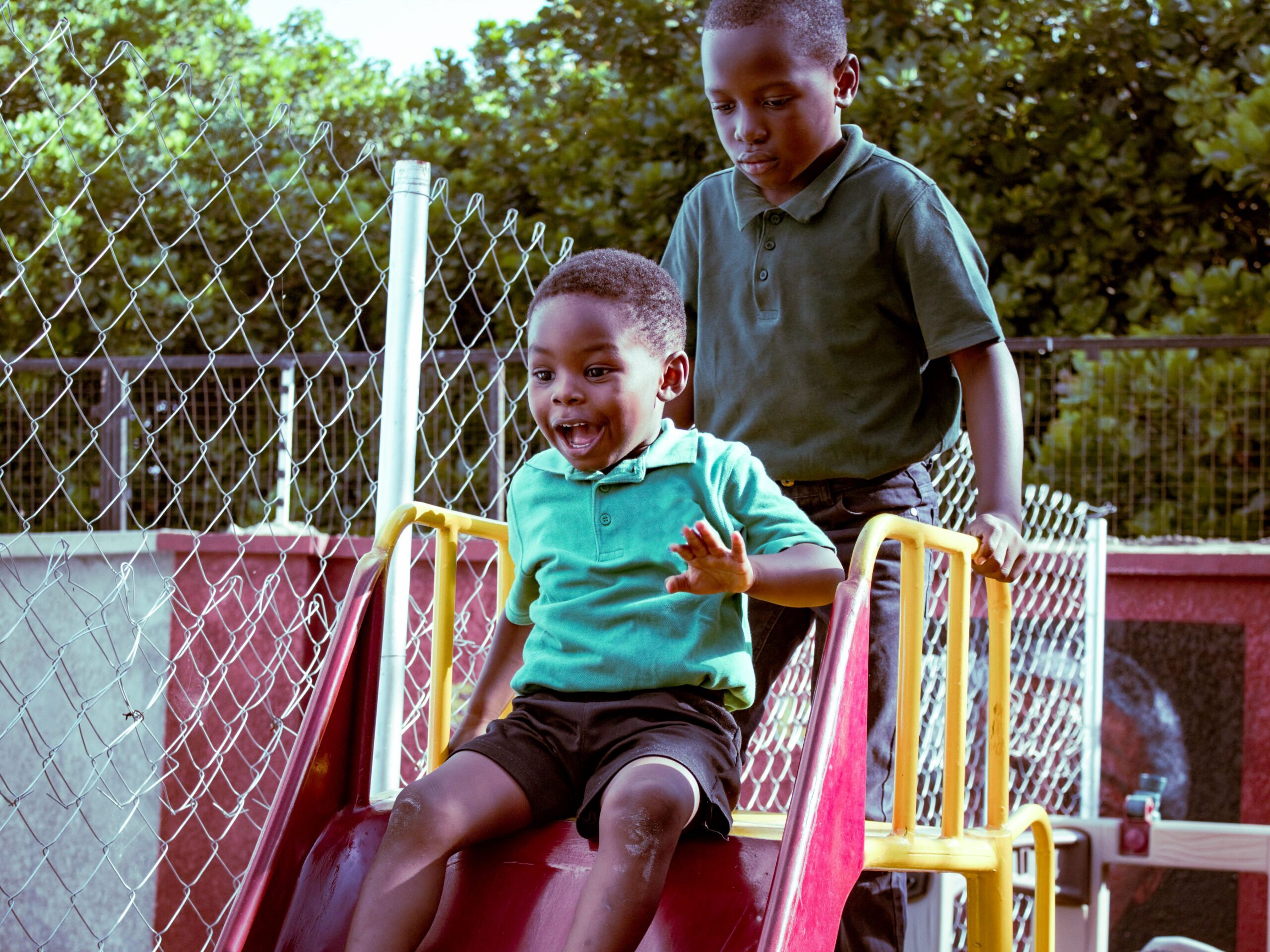
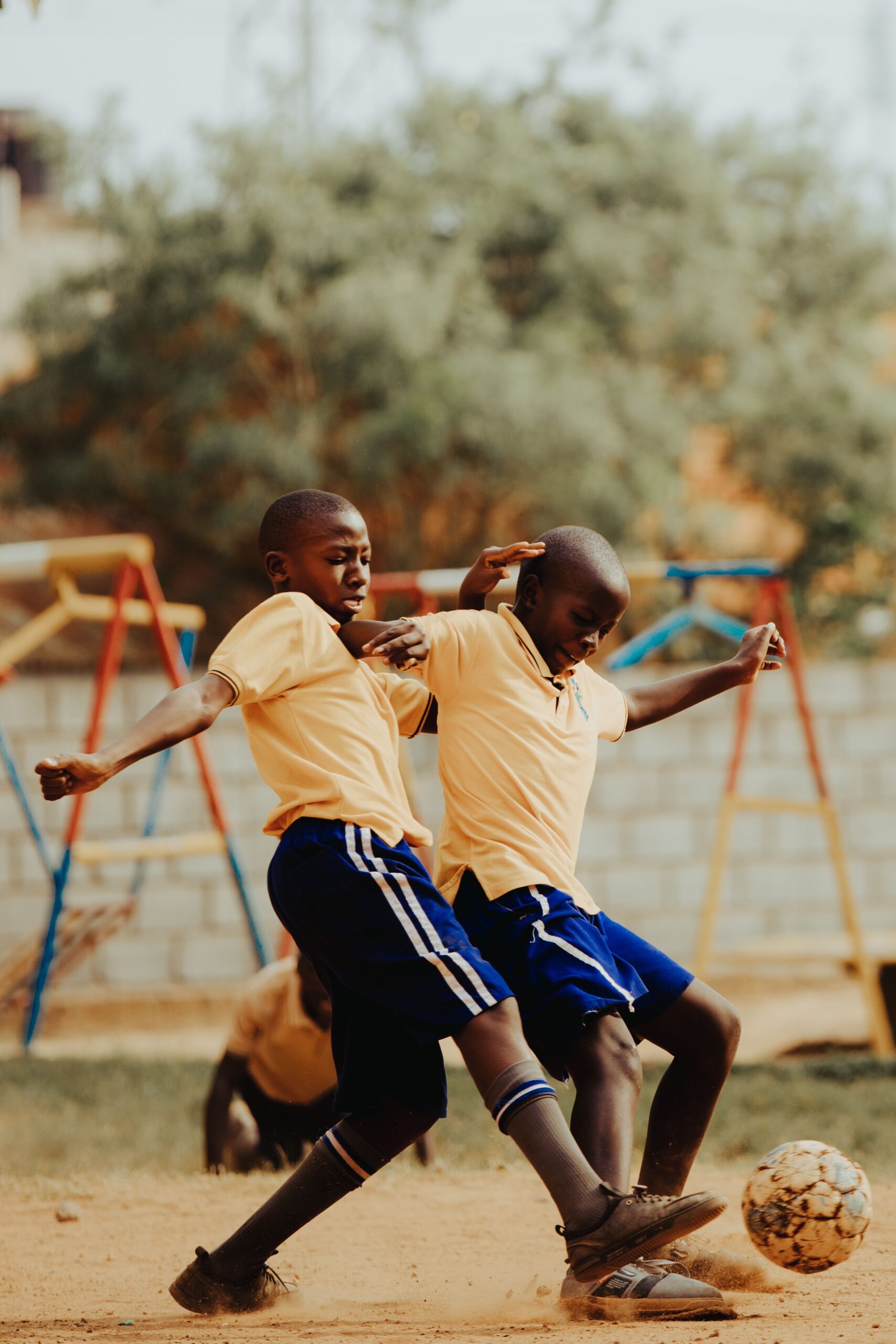
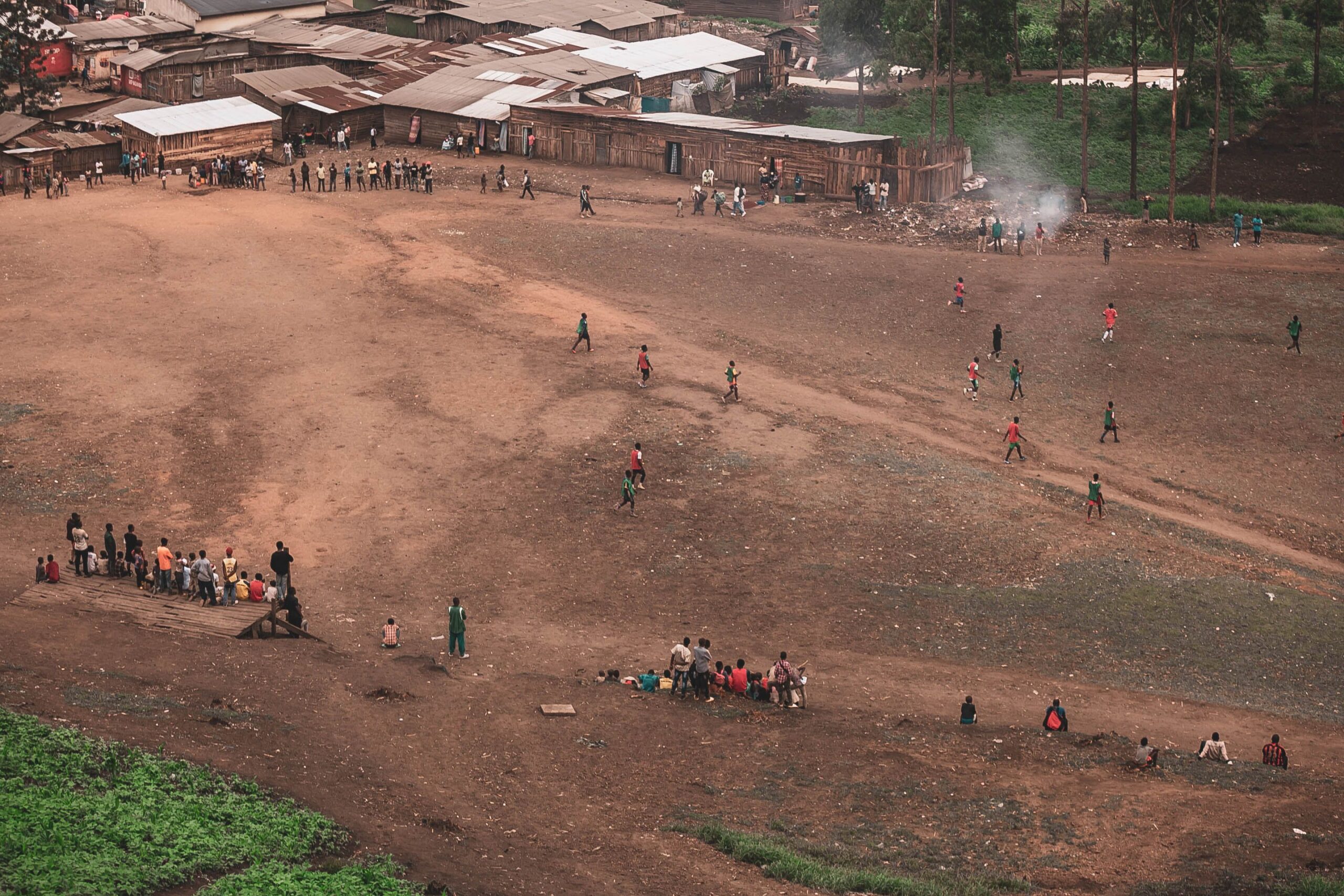
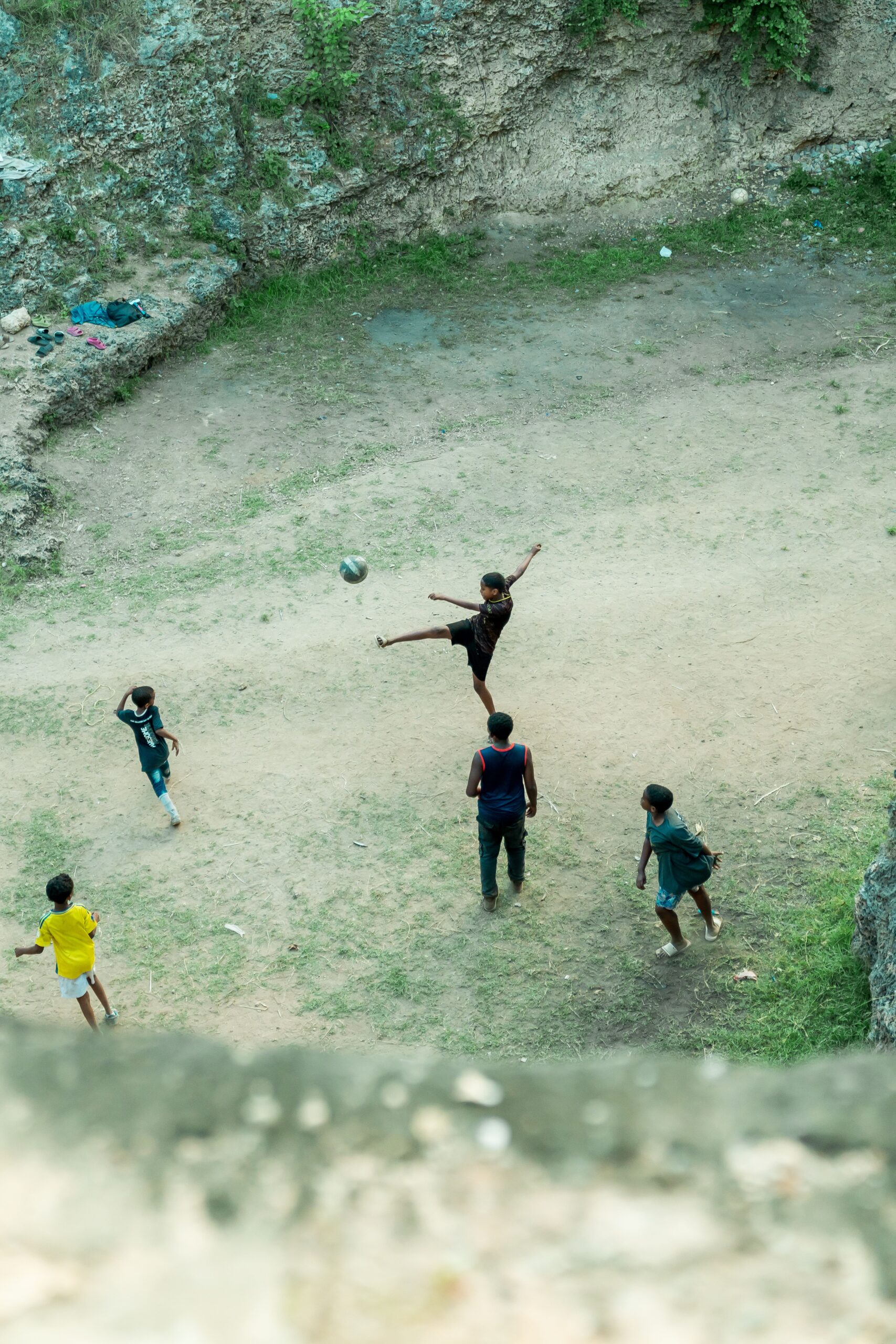
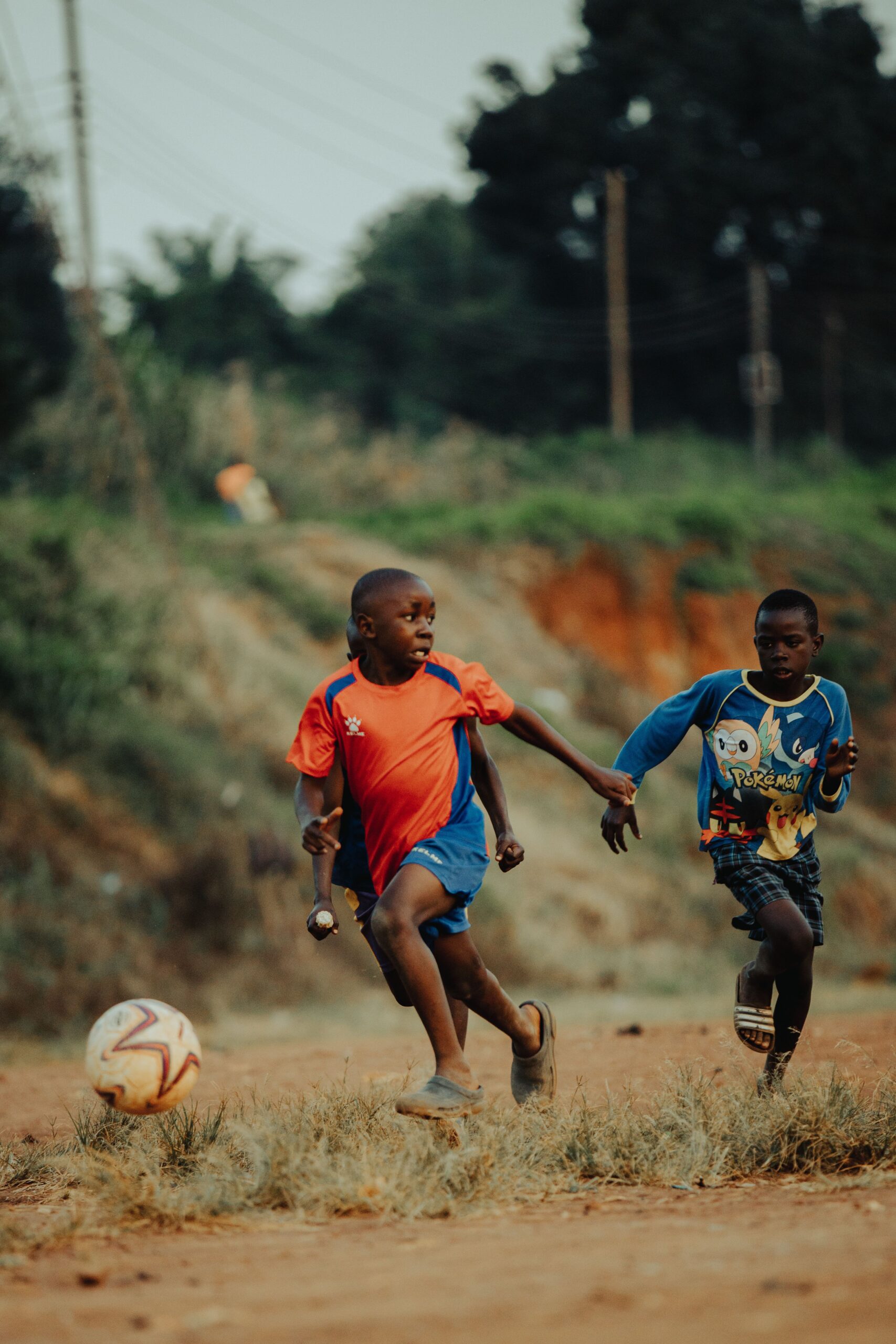
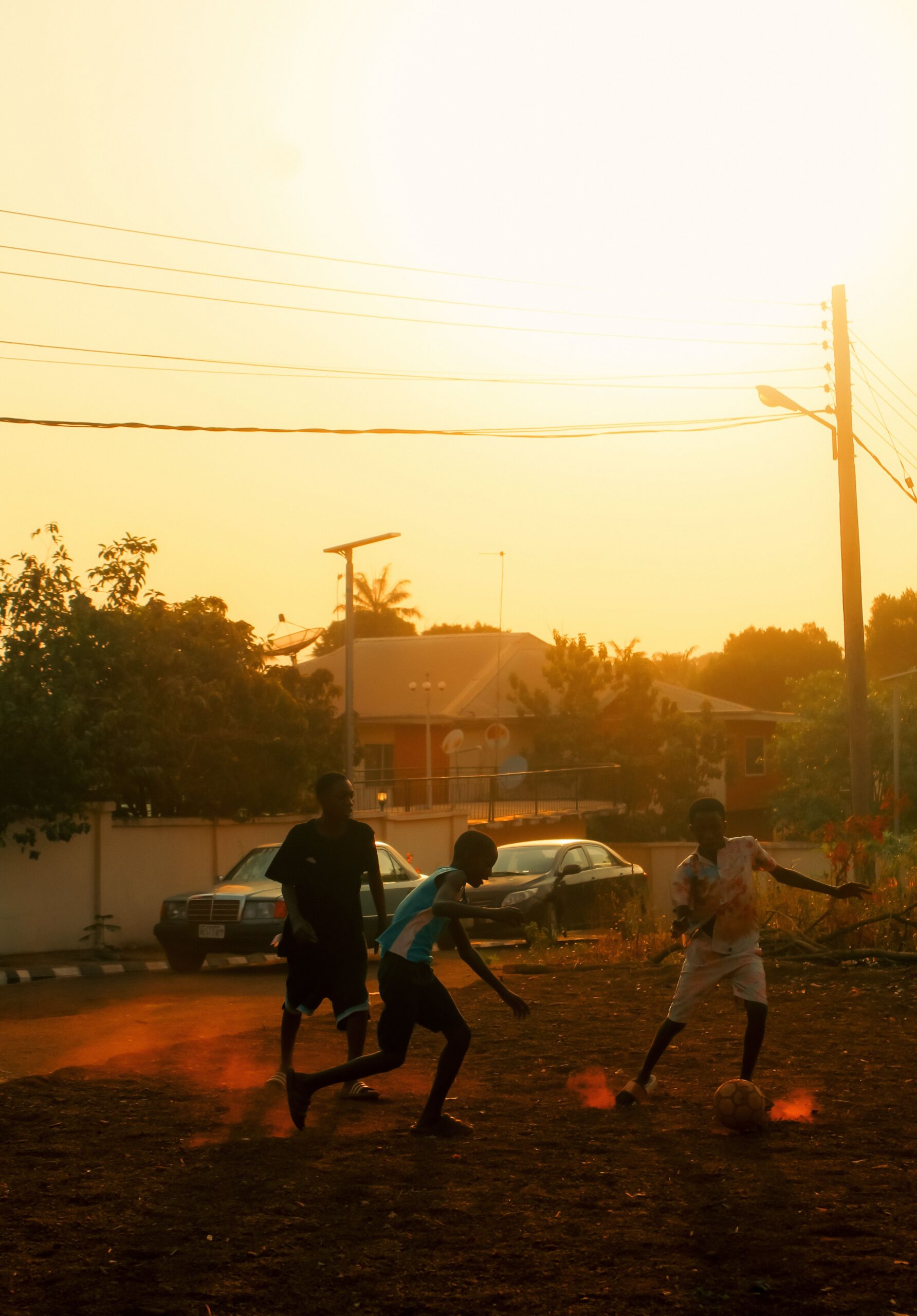
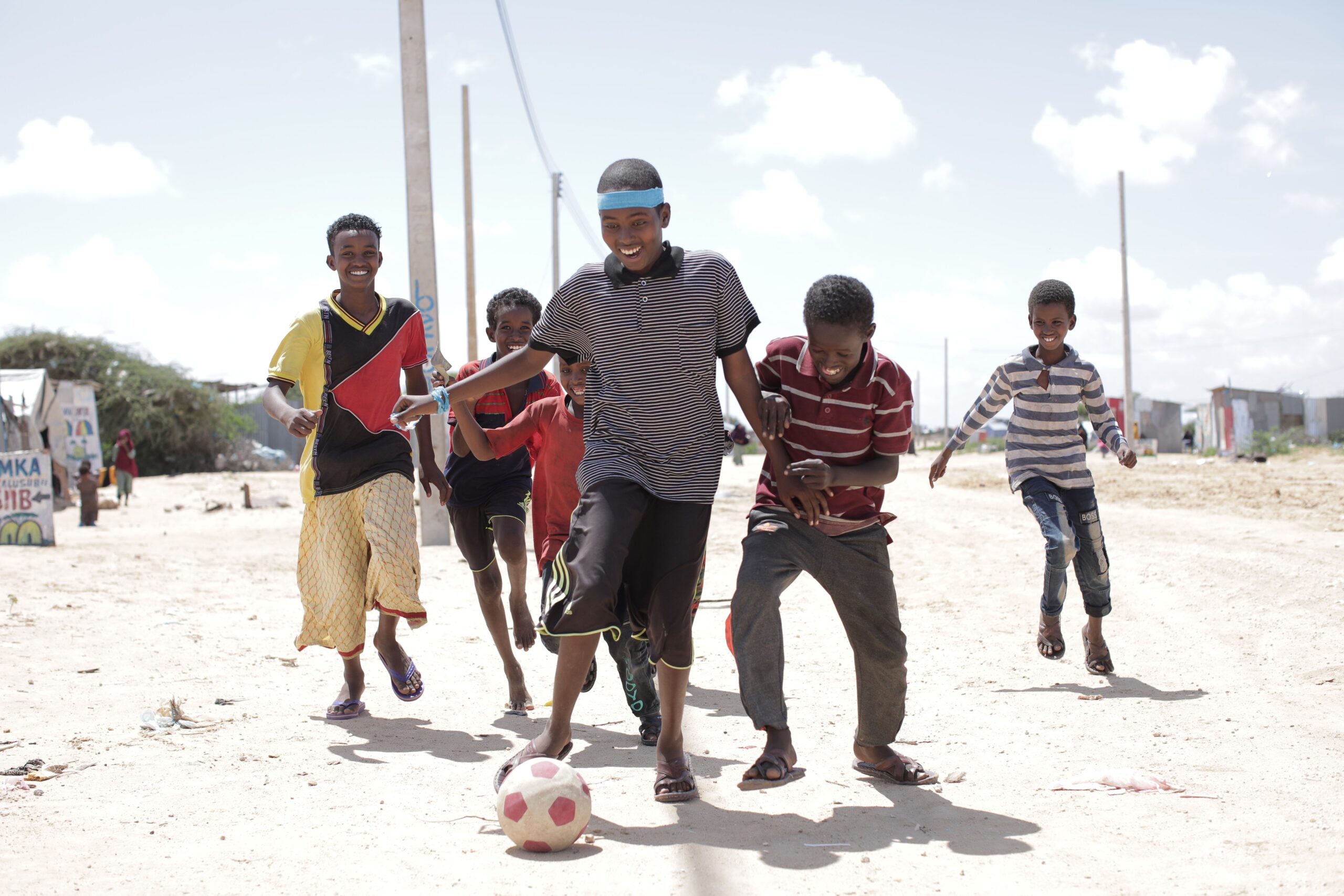
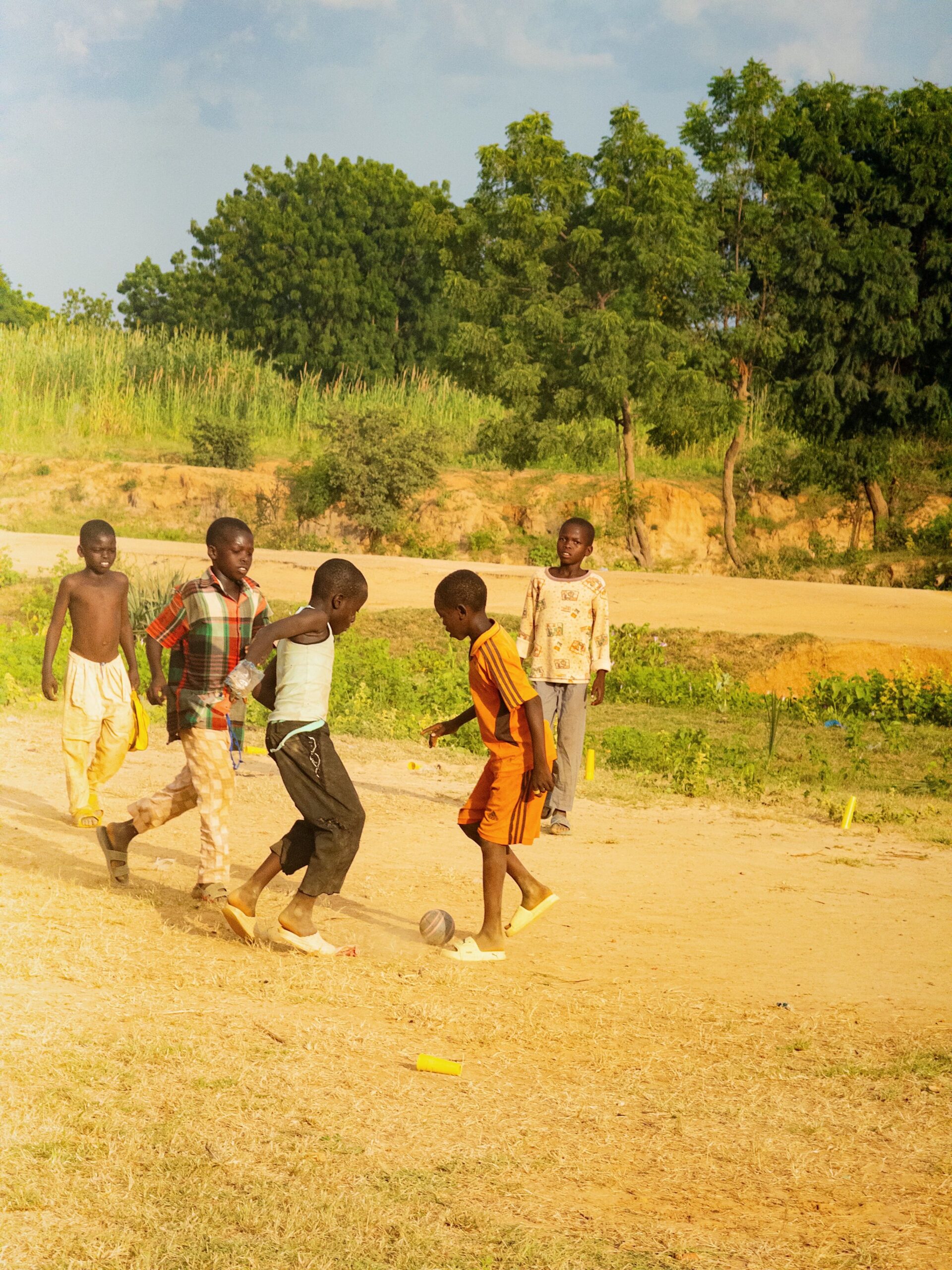
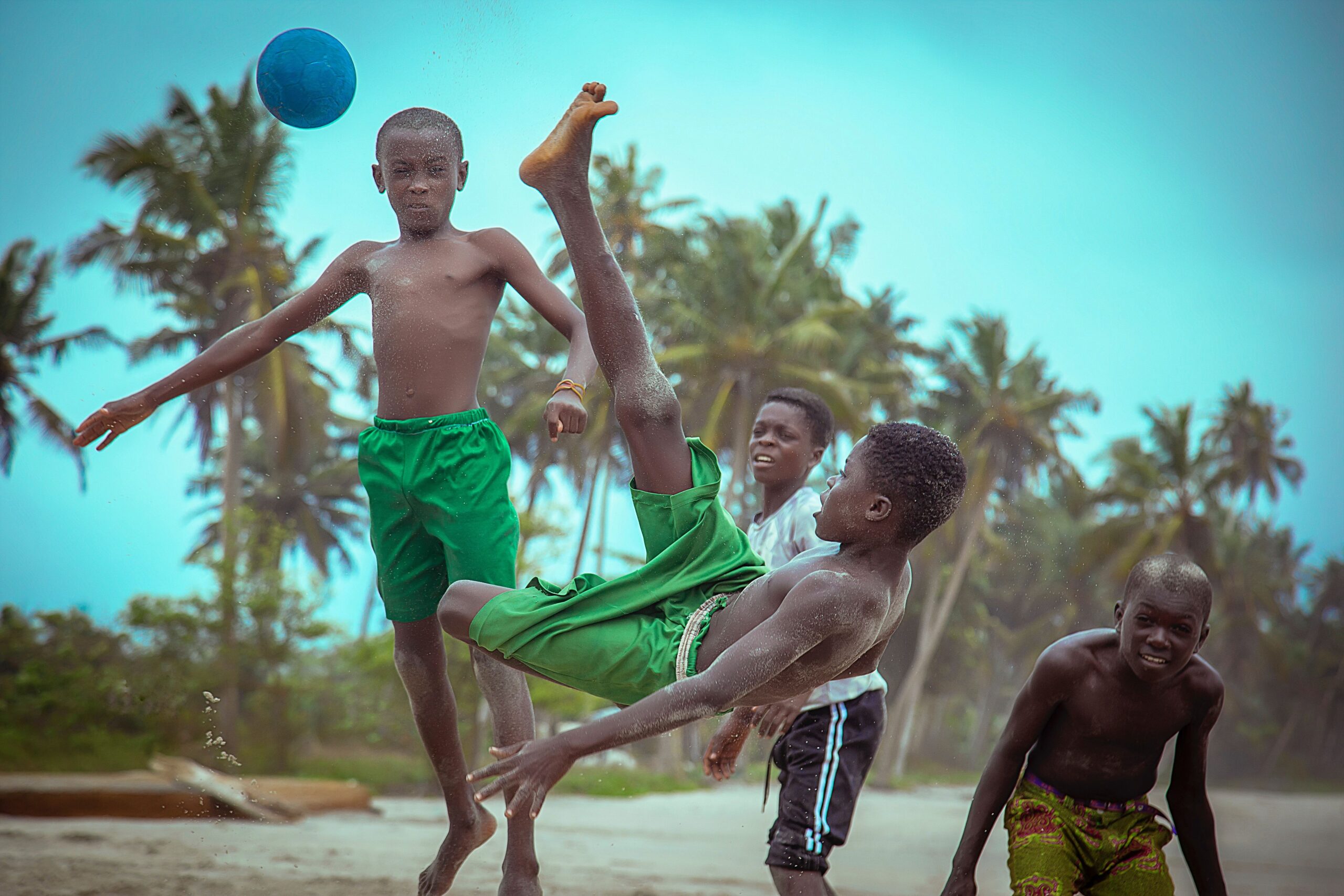
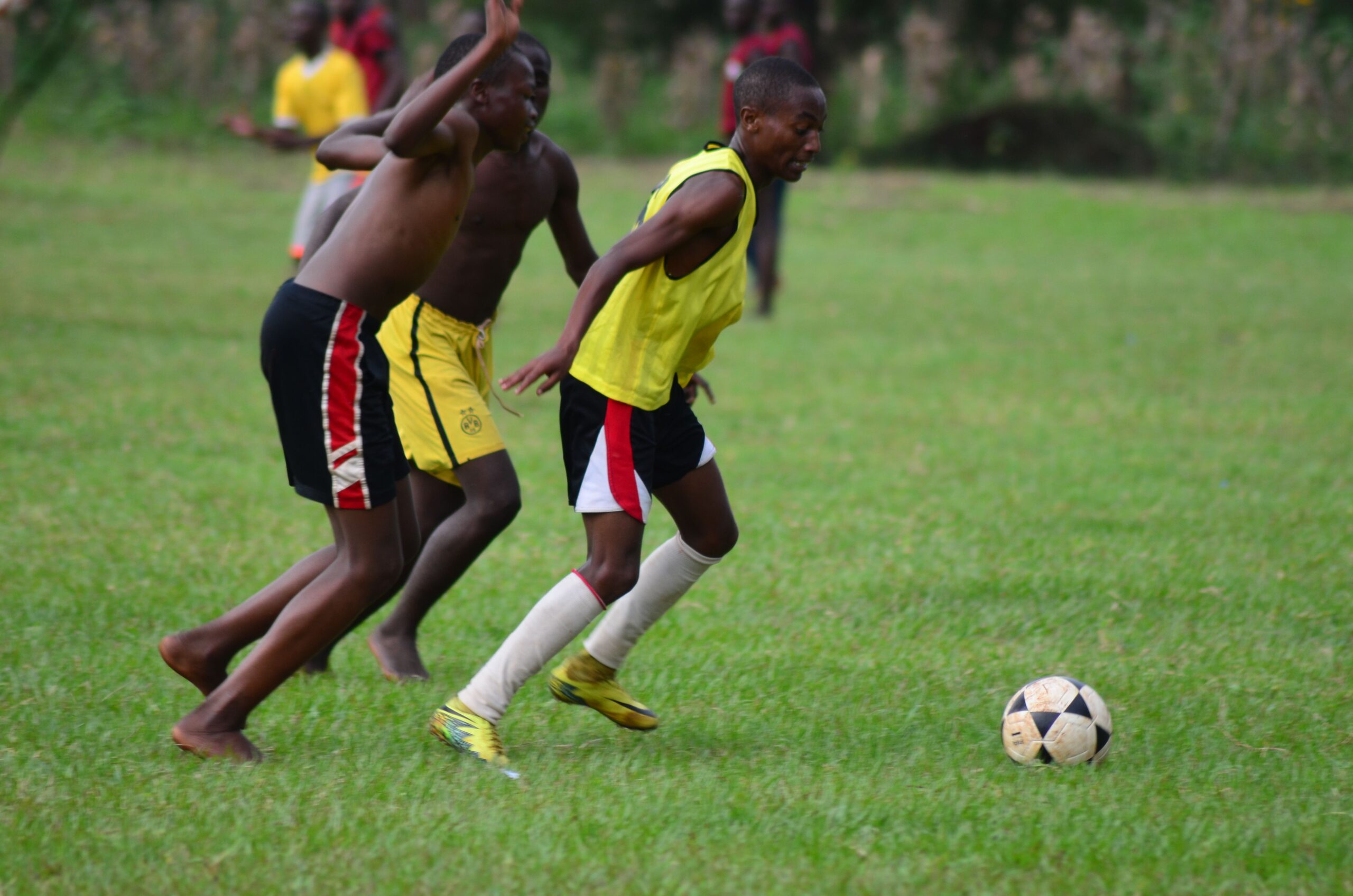
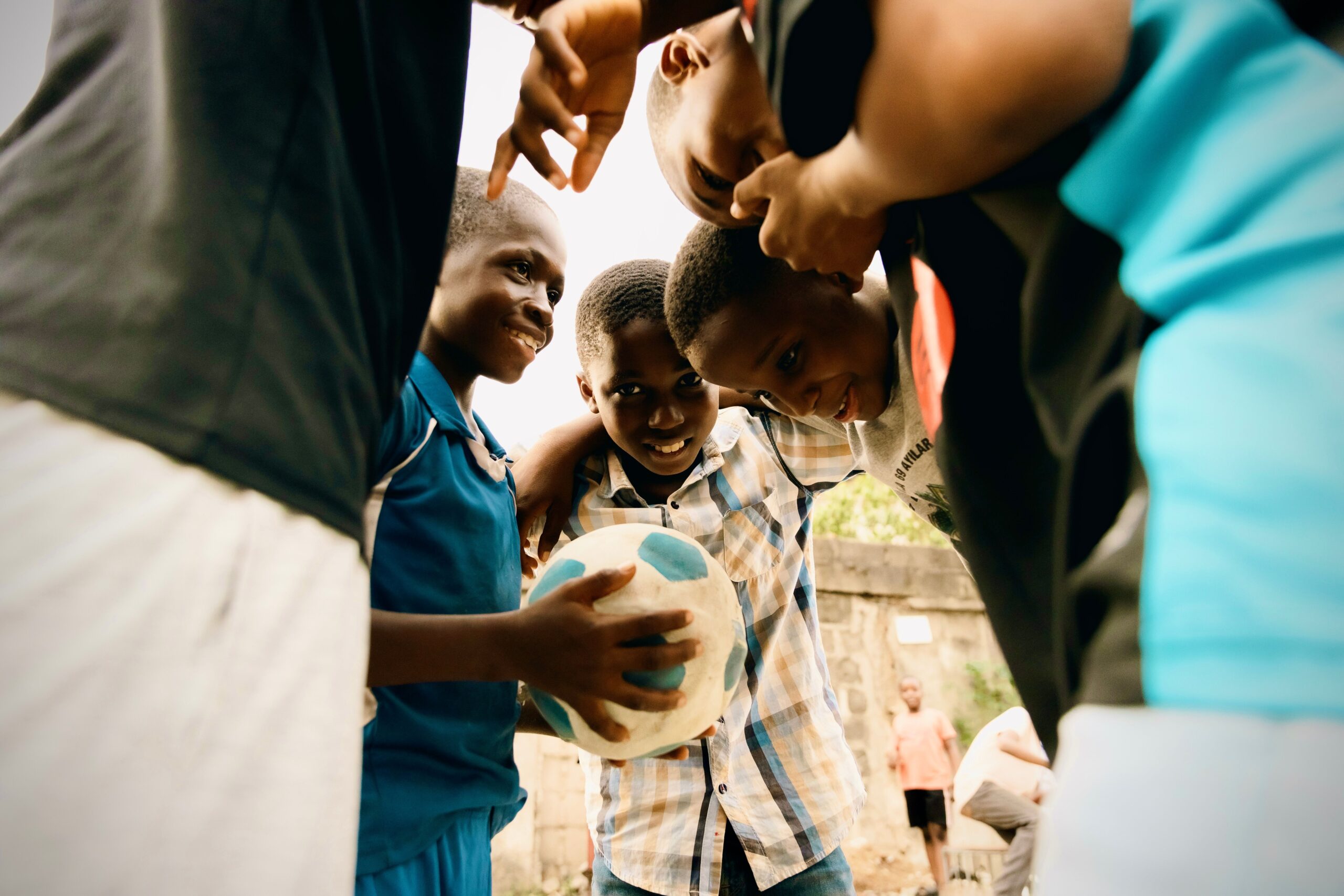
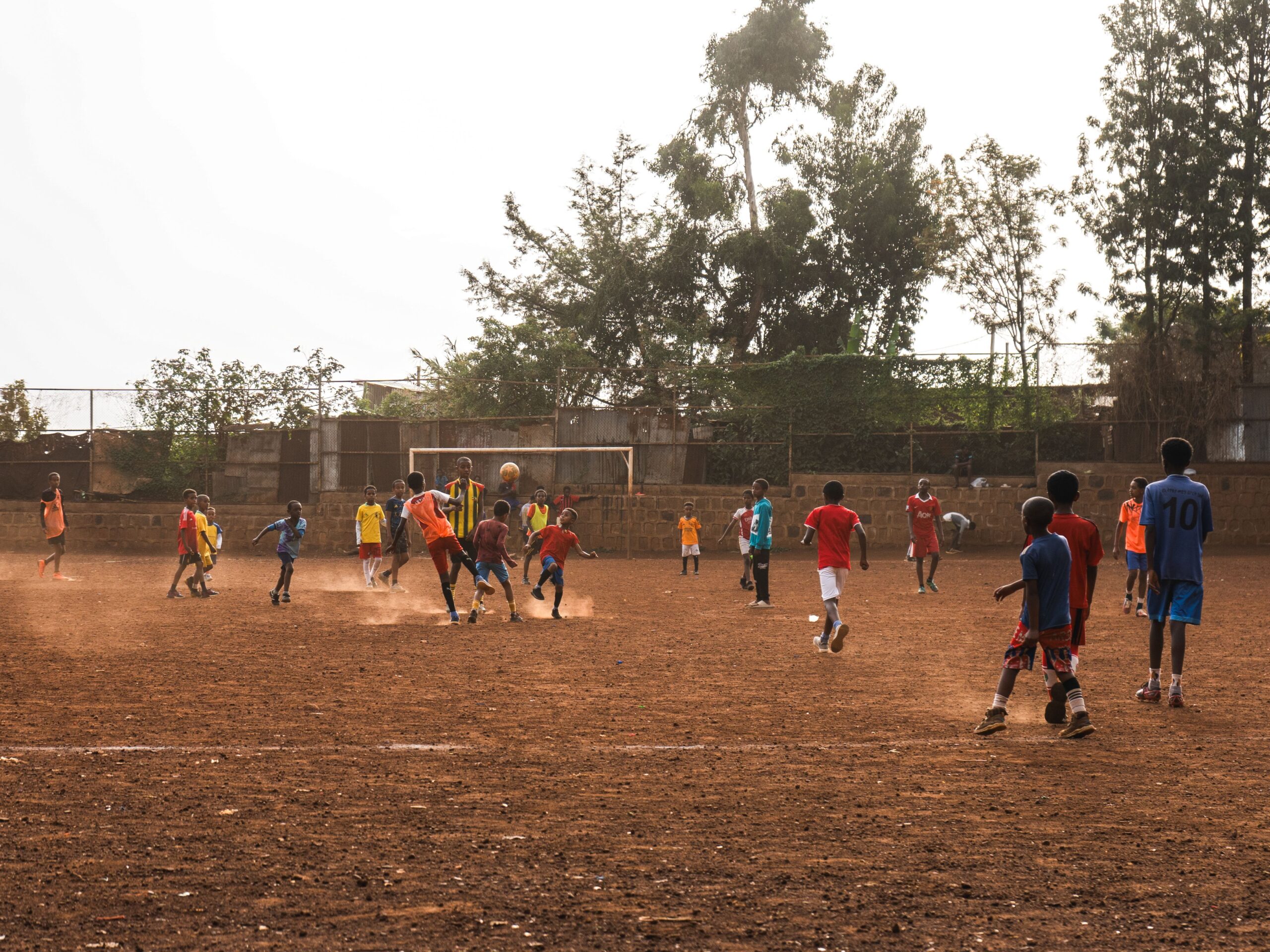
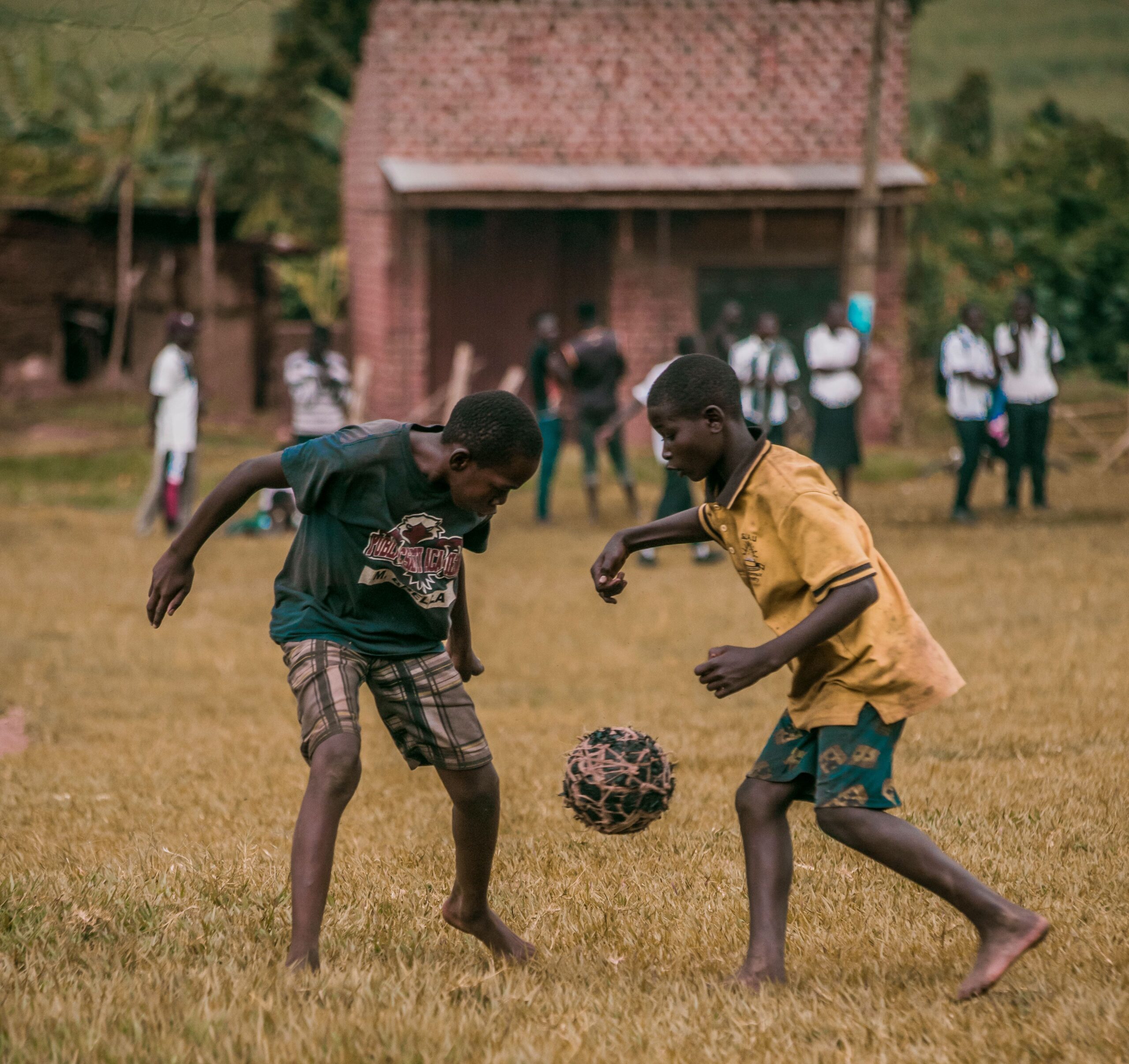
Health, education, access to sport, personal development, integration, and protection of children's rights, the same six pillars this initiative is built around, and the same six a Board of Trustees somewhere is currently reviewing applications against. Somewhere, a child is waiting to find out which way that decision goes.
Talk To Us About This Initiative →